Dental fillings are a common treatment used to restore the function of teeth affected by cavities. However, there are significant differences between aesthetic (cosmetic) fillings and traditional fillings. These differences arise in terms of material, durability, appearance, and health implications. In this article, we will explore the differences, advantages, and disadvantages of aesthetic dental fillings and traditional fillings in detail.
What Is an Aesthetic Dental Filling?
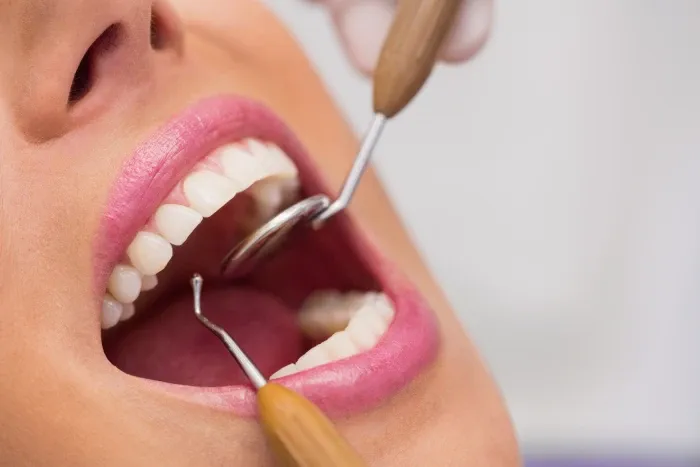
An aesthetic dental filling is a type of filling designed to mimic the natural color of the tooth, providing more visually appealing results. These fillings blend seamlessly with the tooth structure, allowing for a natural appearance without altering the tooth’s original look. They are typically made from composite resin, a material that integrates well with the tooth, creating a natural and seamless finish.
What Is a Traditional Filling?
Traditional fillings are often made from more durable materials such as amalgam (silver-colored) or porcelain. Amalgam fillings are known for their strength and longevity but are less aesthetically pleasing due to their metallic appearance. These fillings are commonly used for molars where durability is crucial, but they are generally less preferred for visible teeth due to their less attractive look.
Differences Between Aesthetic Dental Fillings and Traditional Fillings
- Appearance and Aesthetics: Aesthetic fillings use materials that closely match the natural color and texture of the tooth. When applied, they blend so well with the tooth that they are nearly indistinguishable, making them ideal for front teeth and enhancing the overall smile. Traditional fillings, on the other hand, are usually silver or metallic in color, which can disrupt the natural appearance of the tooth. This is particularly a concern for front teeth, where aesthetics play a significant role.
- Durability: Traditional fillings tend to be more durable than aesthetic dental fillings. Amalgam fillings, in particular, are long-lasting and resistant to wear. They are often preferred for molars, where chewing forces are strongest. Aesthetic dental fillings, made from composite resin, are generally less durable because the material is softer and more prone to wear. However, advancements in dental technology have led to stronger composite materials, making them more durable and reliable in modern dentistry.
- Application Process and Procedure: Aesthetic dental fillings require a more meticulous application process. The composite resin material must be shaped and hardened carefully, which can take longer but yields a more natural appearance. Traditional fillings, particularly amalgam, are quicker to apply. The material is placed into the cavity and solidifies over time. However, the downside is that they do not blend well with natural teeth, raising aesthetic concerns.
- Cost: Aesthetic dental fillings are generally more expensive than traditional fillings due to the complexity of the procedure and the material used. While they offer a natural look, the increased cost can be a consideration for some patients. Traditional fillings tend to be more affordable. However, over time, aesthetic concerns and durability factors may lead to additional costs for replacements or modifications.
Which Type of Filling Is More Advantageous in Terms of Aesthetics and Appearance?
Aesthetic dental fillings are far superior in terms of appearance compared to traditional fillings. Their ability to closely match the tooth’s color and shape makes them an ideal choice for front teeth. Amalgam fillings, by contrast, lack aesthetic appeal, making them unsuitable for visible areas. Composite resin fillings have become the standard for aesthetic dental restorations due to their natural look and ability to blend with the existing teeth.
Which Filling Is Better in Terms of Health and Safety?
Both filling types are generally considered safe, but they may be suitable for different individuals based on specific needs.
Aesthetic dental fillings, made from biocompatible materials, pose minimal health risks. They integrate well with the gums and rarely cause allergic reactions. However, some individuals may have sensitivities to certain chemicals in composite resin materials.
Traditional fillings, particularly amalgam, contain mercury, which may be a concern for some individuals. While modern amalgam fillings have significantly reduced mercury levels, some patients may prefer to avoid them due to potential health concerns. However, amalgam fillings remain highly durable and provide long-term protection without damaging the tooth structure.
For more detailed information Differences of Aesthetic Filling and Traditional Filling, you can read articles in our "Aesthetic Dentistry" category or click the link to find the most suitable dental clinic for you. Visit our blog for more information about dental health.